Understanding Outsourcing: A Strategic Business Tool Outsourcing is the practice of delegating specific business functions or operations to external third-party service providers. This strategy has evolved into a fundamental business approach for organizations seeking to enhance efficiency, cut costs, and live aggrassive in an more and more more globalized economy. Rather than handling every function in-house, companies outsource tasks ranging from customer service and IT support to accounting, manufacturing, and marketing.The concept of outsourcing is not new—it gained prominence in the 1980s and 1990s, especially in manufacturing and technology sectors. However, in the digital era, the scope has broadened extensively. Small startups to multinational corporations now leverage outsourcing for a wide array of services, unlocking access to global talent and focusing internal resources on core business goals.
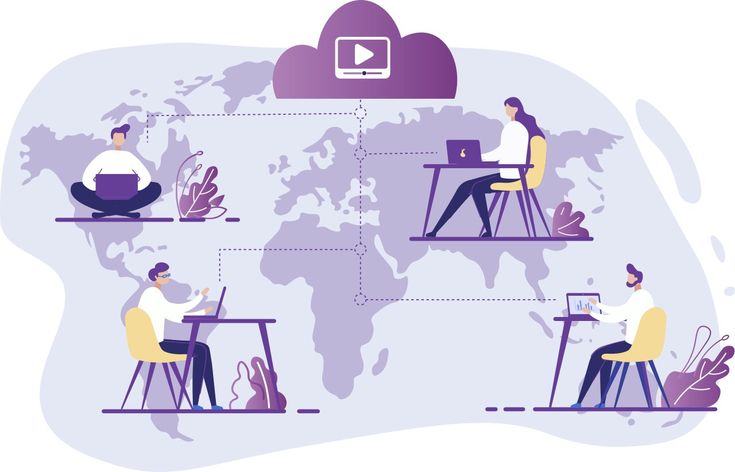
Benefits of Outsourcing:
Efficiency and Cost Reduction
One of the primary reasons businesses choose to outsource is the significant cost advantage it offers. Outsourcing allows companies to reduce operational costs by hiring professionals in countries with lower labor expenses. For example, a U.S.-based company might outsource its customer service to India or the Philippines, where skilled labor Is to be had at a fragment of the cost. This discount in fees without delay contributes to accelerated profitability.
In addition to cost savings, outsourcing improves operational efficiency. Specialized service providers often bring expertise, tools, and advanced technology to the table, helping businesses streamline processes and deliver better outcomes. This enables the company to scale quickly without investing heavily in infrastructure or additional employees.
Moreover, outsourcing grants businesses the flexibility to adapt to changing market conditions. They can scale operations up or down based on demand, ensuring resources are allocated efficiently. It also allows companies to access niche skills that may not be available locally, fostering innovation and accelerating project timelines.
Commonly Outsourced Functions Across The Industries
While nearly any function can be outsourced today, certain business processes are more commonly delegated due to their repetitive or highly specialized nature. Some of the most commonly outsourced services include:
Information Technology (IT): Software development, network management, data security, and technical support are often outsourced to specialized IT firms or freelancers.
Customer Support: Call centers and customer service representatives are outsourced to handle inquiries, complaints, and after-sales support more cost-effectively.
Human Resources (HR): Payroll processing, recruitment, benefits administration, and compliance management are frequently handled by third-party HR firms.
Accounting and Finance: Many companies outsource bookkeeping, tax filing, and financial reporting to certified professionals.
Marketing and Content Creation: Digital marketing, SEO, copywriting, and social media management are increasingly outsourced to agencies or independent contractors.
Outsourcing these functions allows companies to focus their attention on strategic priorities such as product development, market expansion, and customer experience enhancement.


Challenges and Risks with Outsourcing
Despite its numerous advantages, outsourcing is not without challenges. Companies must navigate risks such as communication barriers, data security concerns, and potential loss of control over quality.
Communication and cultural differences can lead to misunderstandings or delays in project execution. When working with teams in different time zones, maintaining consistent communication and collaboration becomes crucial. Language barriers can also hinder the smooth flow of information, especially in customer-facing roles.
Data protection is every other tremendous concern. When sensitive business or customer data is shared with external providers, the risk of breaches increases. Businesses must ensure their outsourcing partners comply with international data protection standards and have robust cybersecurity measures in place.
Additionally, quality control can be compromised if the outsourced team lacks adequate training or understanding of the company’s expectations. Without proper oversight, the final output may not meet the desired standards, affecting customer satisfaction and brand reputation.
Finally, overdependence on outsourcing can make a company vulnerable. If the service provider fails or suddenly becomes unavailable, the organization may face operational disruptions. Thus, it’s essential to establish contingency plans and regularly evaluate vendor performance.
Practices for Successful Outsourcing
To fully capitalize on the benefits of outsourcing while minimizing its risks, businesses should adopt a strategic and based approach. Here are a few key great practices:
Define & Clear Objectives: Before outsourcing any function, it is crucial to establish clear goals and performance indicators. Understanding what success looks like helps both the company and the service provider align efforts.
Choose the Right Partner: Selecting a reliable and experienced outsourcing partner is paramount. Conduct due diligence, review case studies, check references, and assess their technical capabilities and cultural compatibility.
Maintain Transparent Communication: Set up regular communication channels, including meetings, updates, and feedback sessions. Clarity in communication helps build trust and reduces the chances of misalignment.
Establish Contracts and SLAs: A well-drafted Service Level Agreement (SLA) defines the scope of work, timelines, deliverables, and penalties for non-compliance. Legal contracts also safeguard intellectual property and confidentiality.
Monitor and Evaluate: Continuously track the performance of the outsourcing team using KPIs and feedback mechanisms. Regular assessments help identify gaps, improve service quality, and ensure ongoing alignment with business objectives.
Build Long-Term Relationships: Rather than viewing outsourcing as a short-term solution, cultivating long-term partnerships can yield better collaboration And deeper integration with commercial enterprise processes.
By implementing these best practices, companies can turn outsourcing into a strategic asset that enhances productivity, drives innovation, and fuels growth.
Outsourcing has become a vital tool for modern businesses, offering unmatched flexibility, access to global talent, and cost-efficiency. While it comes with its share of challenges, careful planning, clear communication, and strong partnerships can make outsourcing A cornerstone of a sustainable success.

